

Classic Mac
Hill House / 1
“Just stepping through the front door, into this so complete and intoxicating world is emotionally overwhelming. It is Exquisite. Profound. Beautiful. And very moving.”
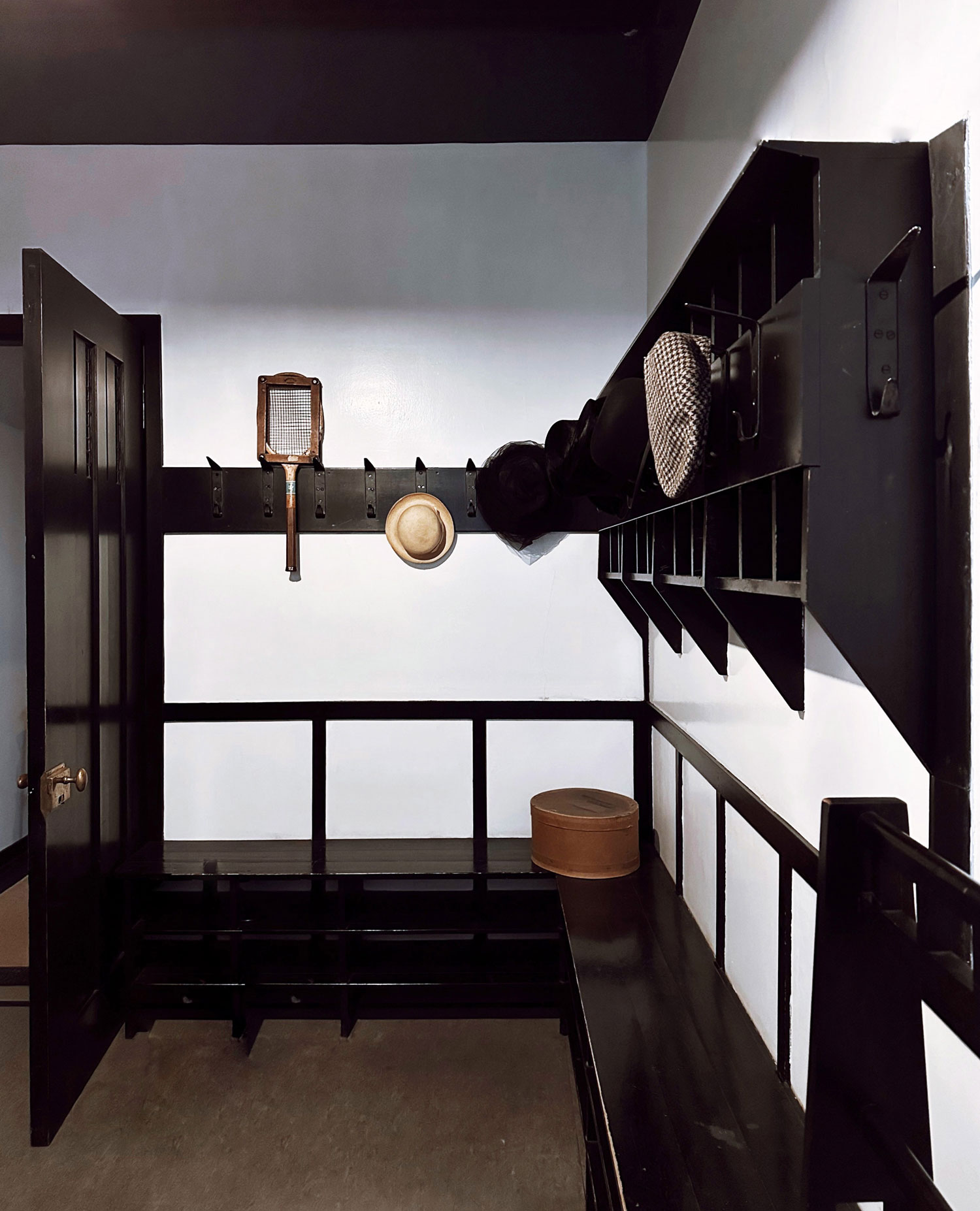
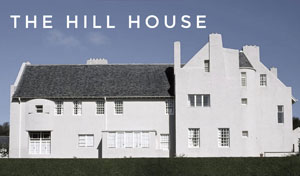
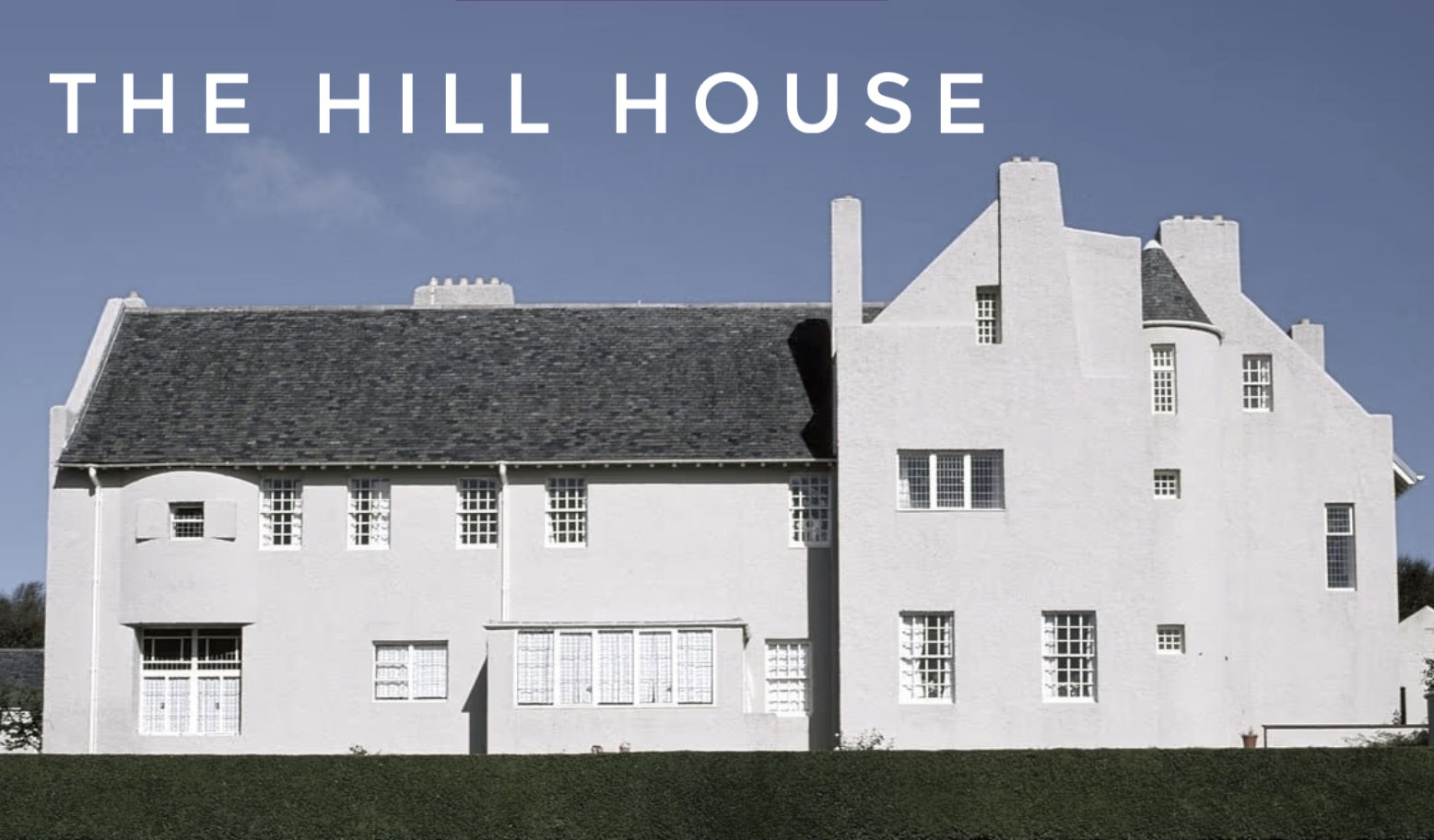
The Hill House is the most complete and the most ground-breaking work by the designer Charles Rennie Mackintosh that is in existence today. It is his masterpiece. Even if you’ve never heard of Mackintosh, we strongly suggest a visit, as this is the jewel in the crown of all the National Trust properties you will ever visit. Well, we think so! It is a totally delicious cohesive work of art.
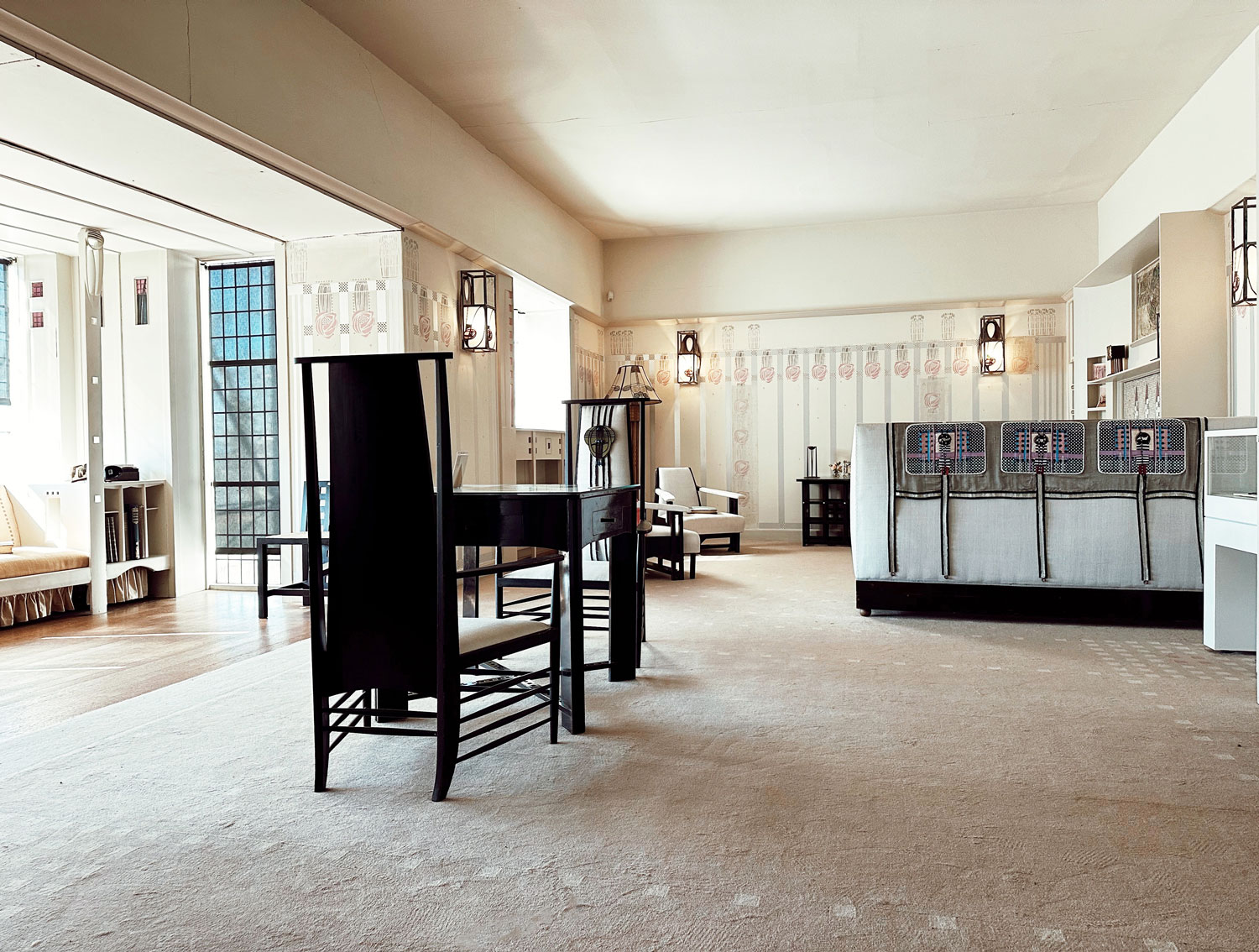
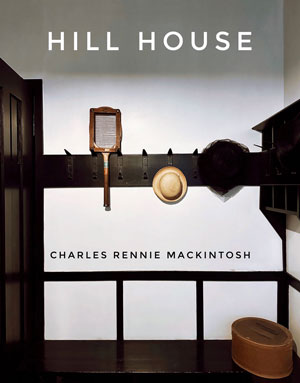
Commissioned by publisher Walter Blackie (1860-1953), the Hill House, Helensburgh, near Glasgow, was designed between 1902 and 1904 by Charles Rennie Mackintosh (1868 – 1928) and his wife, Margaret Macdonald Mackintosh (1864 – 1933). Built in what is now known as the British Modern Style, it is Mackintosh’s domestic triumph, and is celebrated for its innovative design and construction techniques, along with its contemporary interior. The property was donated to the National Trust Scotland in 1982, which it continues to maintain and restore.
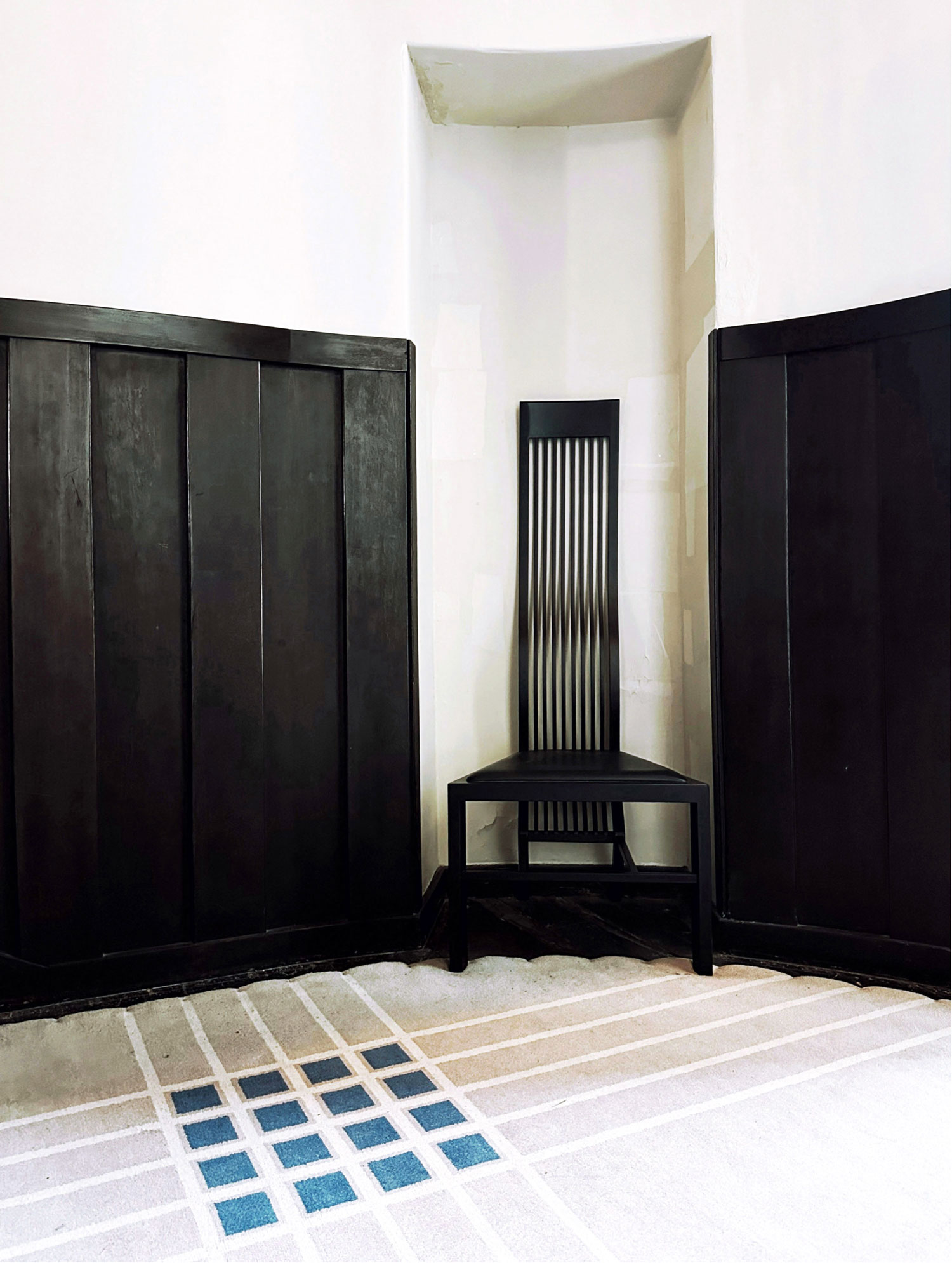
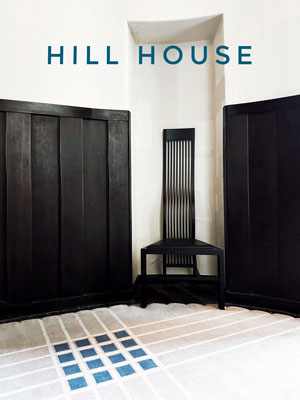
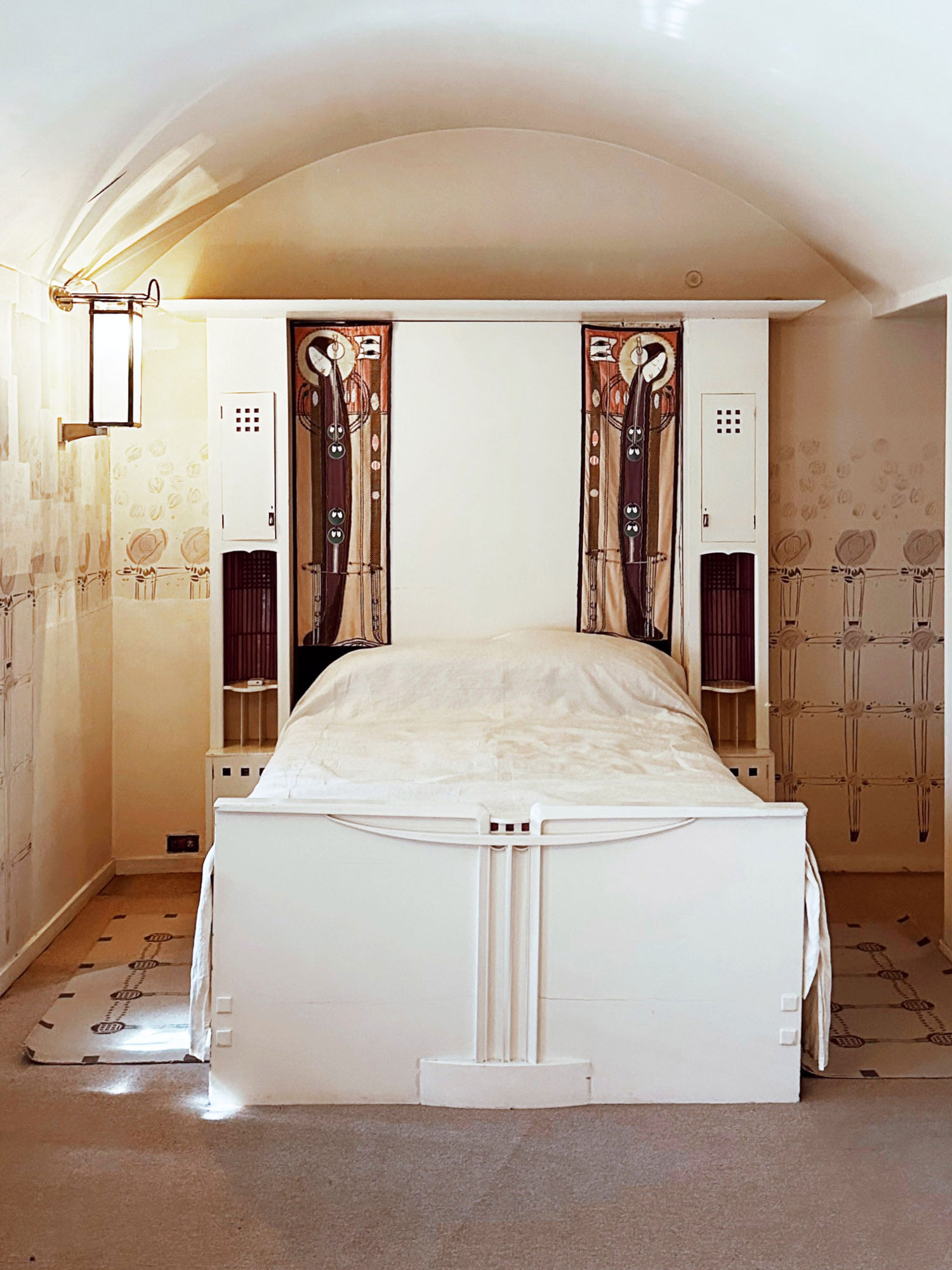
Just stepping through the front door, into this so complete and intoxicating world is emotionally overwhelming. It is Exquisite. Profound. Beautiful. And very moving. The interior is perhaps best described as on-the-spectrum perfection – no detail escapes the hand of the husband-and-wife Mackintosh team. A masterpiece of unified holistic design, almost autocratic in its unwillingness to accept anything that might compromise the purity of its design aesthetic.
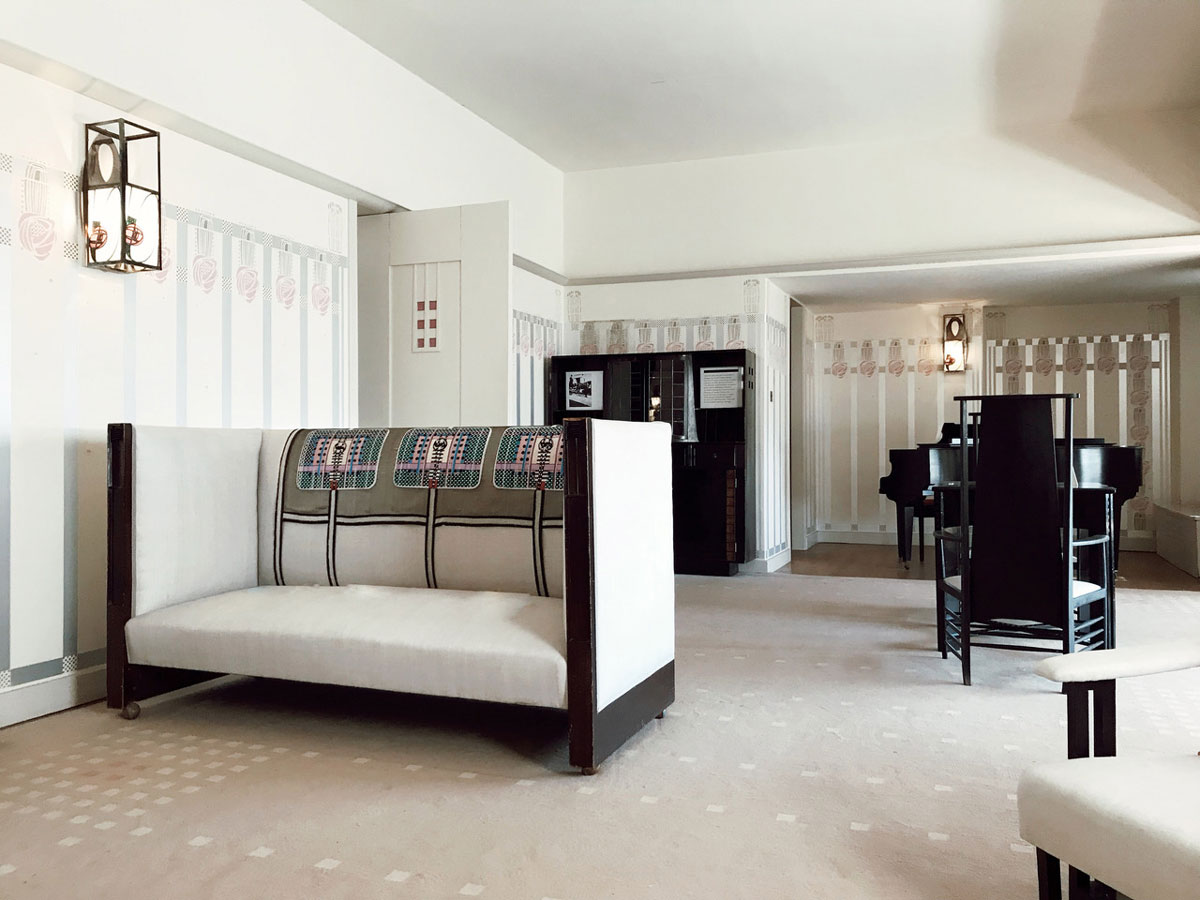
There is a weeny chink in the armour however, where in the dining room an antique sideboard sits, looking like it’s landed from Mars. The Blackies were permitted this intruder – yet its powerful juxtaposition against the modern ebonised panelling simply reaffirms the power of Macintosh’s mission elsewhere. And, strangely, it feels totally modern too, as it sits with our current trend of mixing up the old with the new.
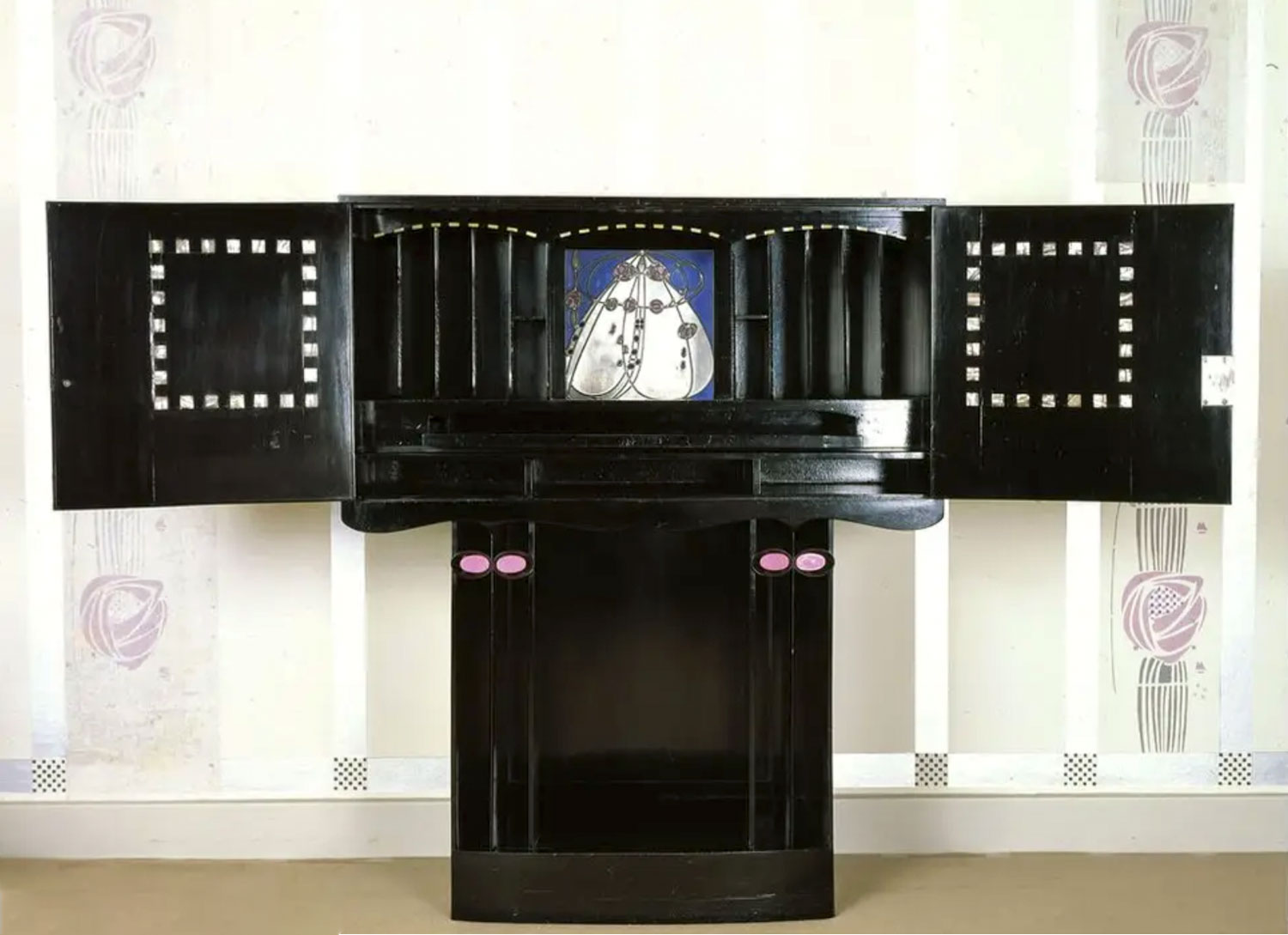
The anticipation of visiting Hill House is thrilling; to think that you can step inside a Mackintosh interior that’s just as it was, and, better still, walk into every room as if you lived there, is beyond imagination. This is due thankfully to the National Trust, who have painstakingly put back the original details meticulously, such as carpets, textiles and repairs to paint and wallpaper, along with the original commissioned furniture – which had become so valuable over the years it had been sold off by later family members, ending up with the rich and famous, such as Andy Warhol. Such items had to be bought back as and when they re-emerged from private collections and at auction – and we’re talking serious money, a mere £1m had to be found for just a small desk. An exquisite one, but of course.
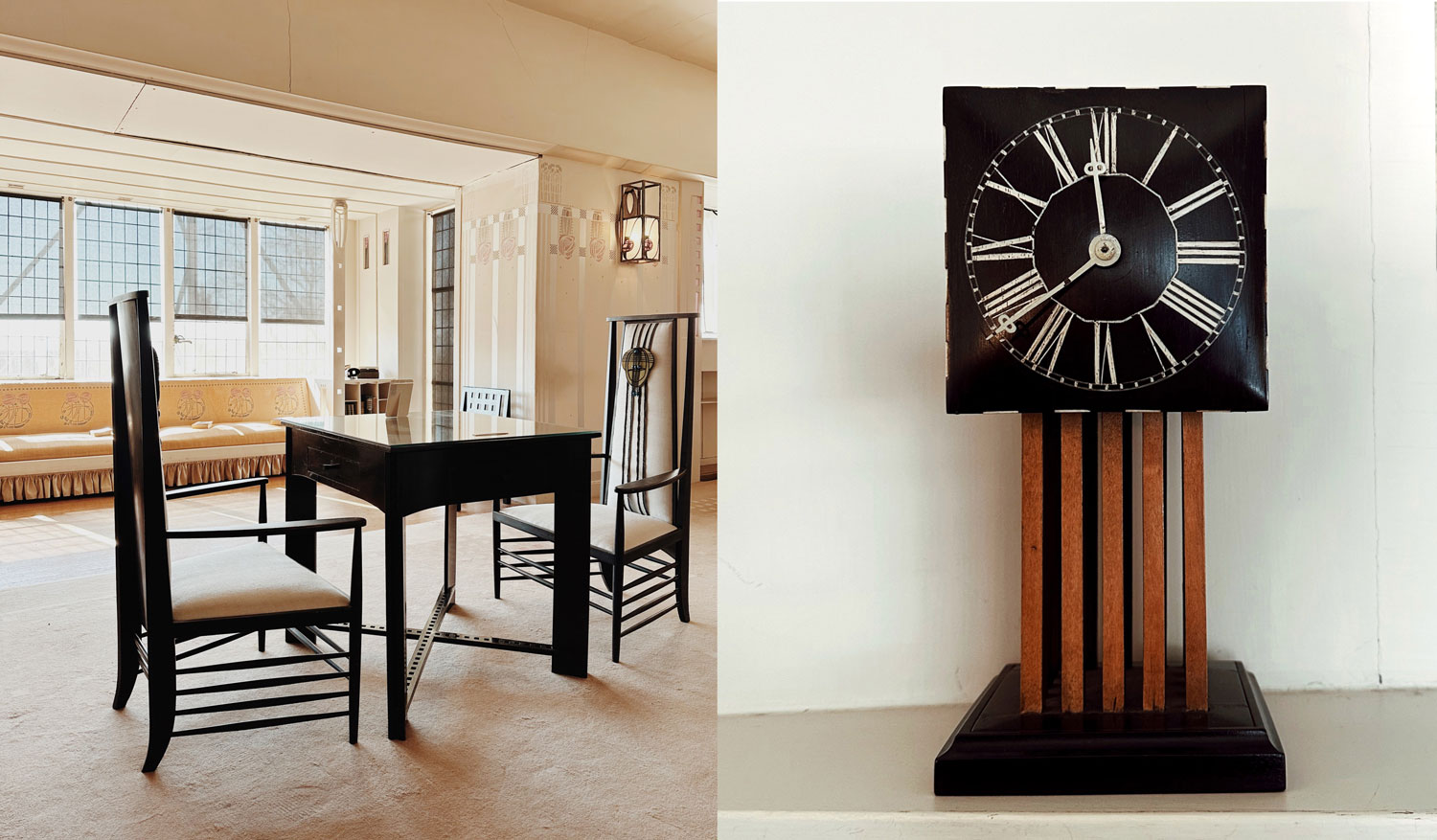
The Hill House was also a modernism breakthrough and could perhaps be cited as the birthplace of form and function, yet with poetry, before the likes of Le Corbusier squeezed out the joy. Mackintosh was up against Victorian classical historicism and revivals galore – Greek, Roman and Gothic; Lombardic, Venetian and Egyptian; Draakenstil, Romanticism and Chinoiserie; Moorish and Japonism, you name it – and was set to revolutionise architecture as we knew it. Interiors of the day were also high Victorian, stuffed with the clutter of fripperies and ornament, drapes, and aspidistras, yet once Mackintosh landed on the scene, he changed the world’s ideas almost overnight, being surely the first to do ‘less is more’.
Mackintosh may be described as that rare thing, a British Secessionist, though there is some controversy about how much of a true Secessionist he was and how much that description is applied in historical hindsight. Secessionism was a movement established in Vienna, Austria, by the Wiener Werkstätte (Vienna Workshop) in 1903. Led by designer Josef Hoffman, it modernised the excesses of Art Nouveau. Mackintosh was clearly influenced by them, and they by him. But he was also unique, for he blended Arts and Crafts, Art Nouveau, modernism, and even Japanese style (explored clearly in his ladder-back chairs), and made it his own, in what became known as the ‘Glasgow Style’. This distinct version of Secessionism was more playful and lyrical, more studious and intellectual. It paved the way for Bauhaus 1930s modernism, and the decorative Jazz Age geometric excesses of the ’30s – what we now call ‘Art Deco’.
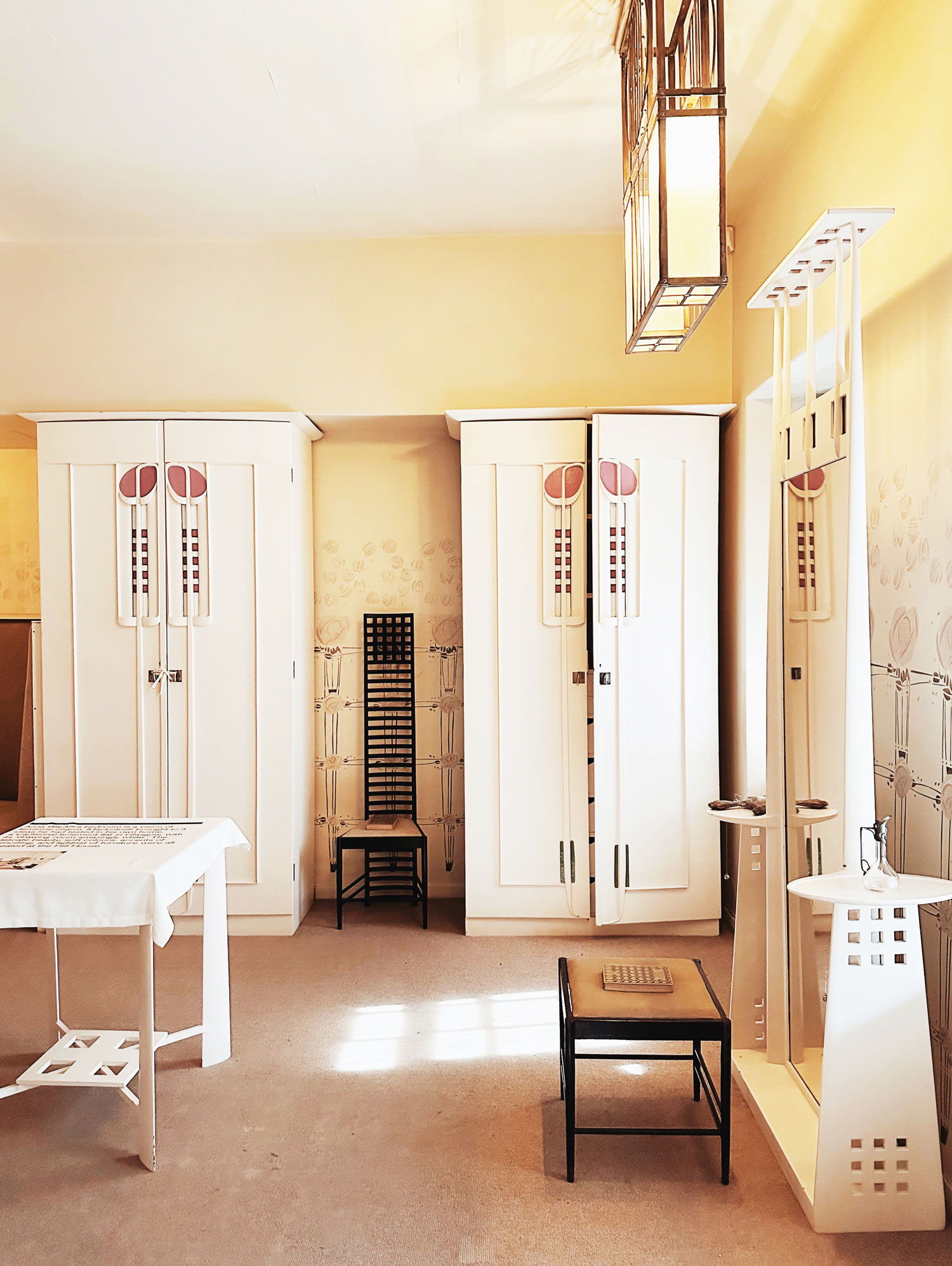
All in all, Hill House’s design was a powerful influence on architects across Europe and America and led to the creation of some of the world’s most iconic 20th-century buildings. For this reason, the Hill House holds an incredibly important place in the history of design.
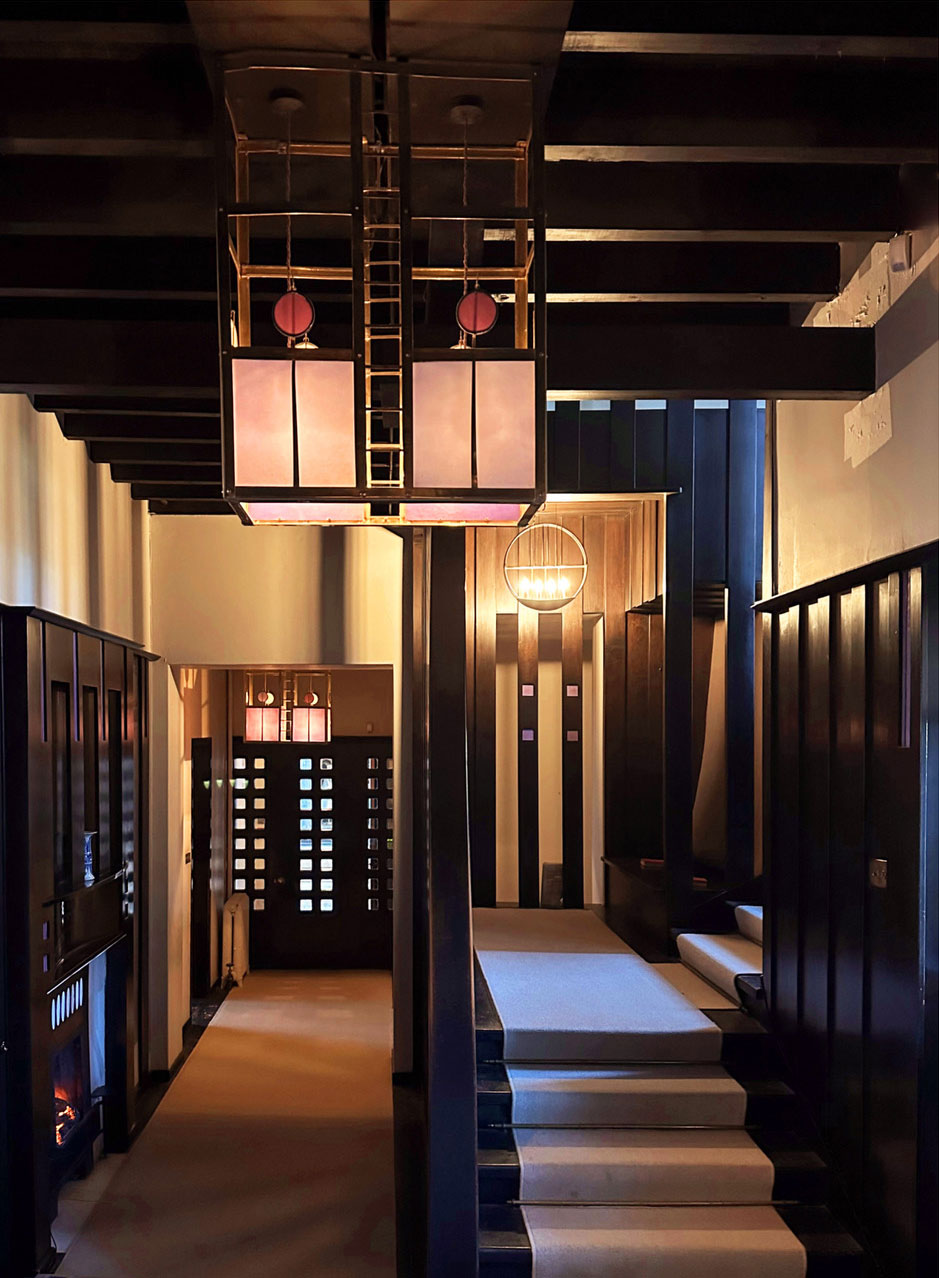
Back in the day however, not everyone was as appreciative of Mackintosh’s work, and the volume of criticism matched the praise. His talent was just too good, too forward thinking. New architectural commissions gradually dried up, and Walter Blackie’s own business took a dive in the years before the First World War. Yet as a mark of friendship he did what he could to help Mackintosh through financial struggles. Blackie continued to commission new pieces of furniture and art for the house several years after moving in. Mackintosh was happy to oblige, and ten years after the house was completed, he was still sketching ideas for new designs.
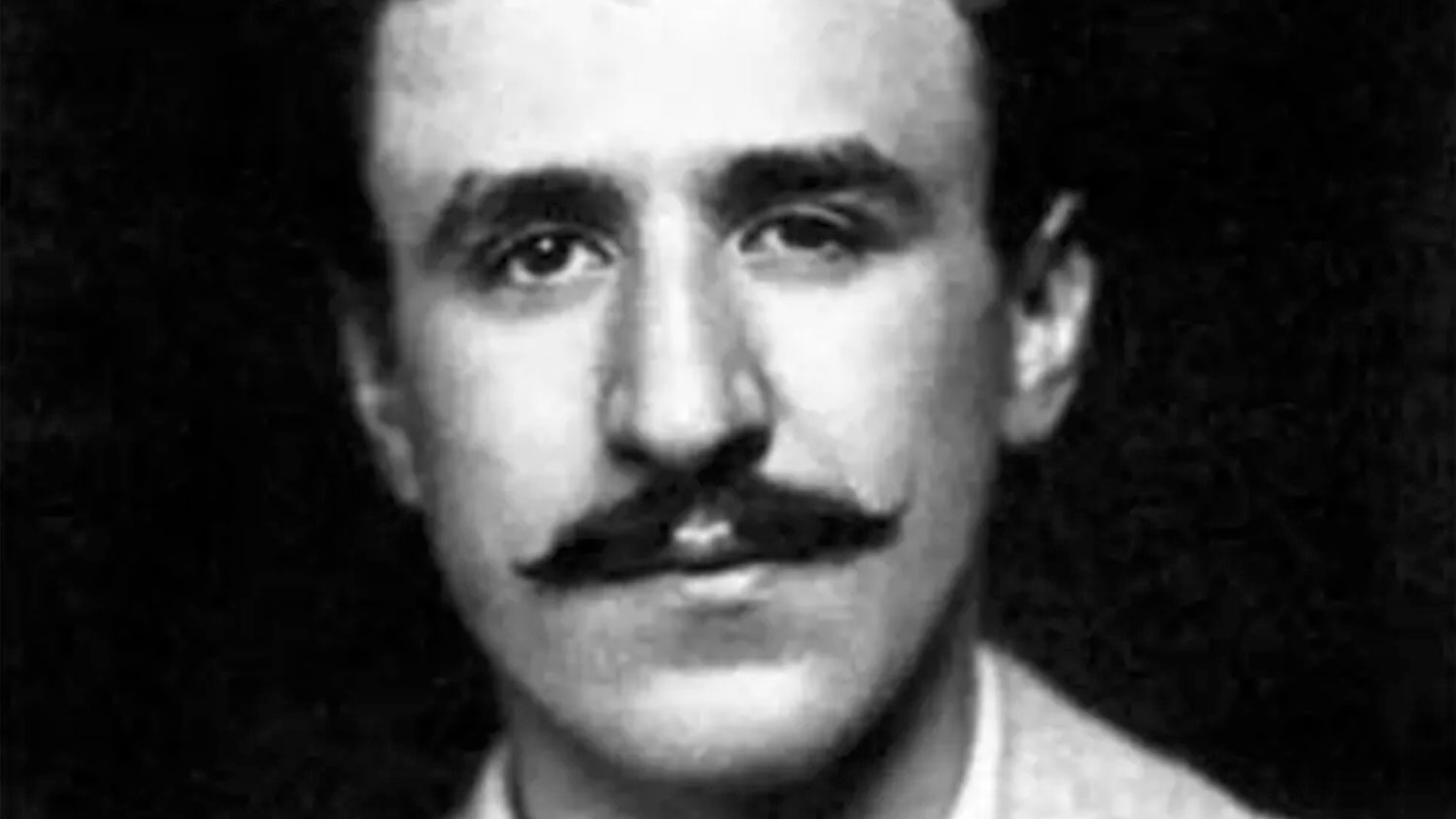
Here is a brilliant man, a genius, that was barely recognised in his time. Mackintosh died penniless at just 60 years old, and, sadder still, was soon forgotten.
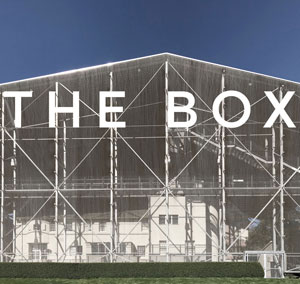
For more on the Hill House, its rebirth, and today’s recognition of Mackintosh, please do read our further posts by tapping on the icons below. And for the Hill House address and opening times tap here – National Trust For Scotland